How to Clean a Football Helmet: Complete Step by Step Guide
Last Updated On: Aug 01, 2026
Anyone who has opened a football bag after a hot practice knows the smell that comes with it. Sweat, dirt, and bacteria build up fast inside the padding, and most advice you find online about cleaning this kind of gear is either too vague or too complicated. This guide breaks the process down into simple, safe steps so you can keep your helmet fresh, hygienic, and in good working condition all season long.
A football helmet is not just a piece of gear. It is a piece of safety equipment that has to keep its shape and protective properties for years. That means you cannot clean it the way you would clean a water bottle or a pair of sneakers. Use the wrong product or the wrong technique and you risk damaging the shell, breaking down the padding, or voiding the manufacturer warranty. Use the right approach and you get a helmet that smells better, lasts longer, and stays safe to wear.
Why Cleaning Your Helmet Regularly Actually Matters
It is easy to think of helmet cleaning as a cosmetic chore, but there is a real health reason behind it too. Football is a close contact sport, and skin infections including staph and MRSA spread more easily among athletes who play contact sports and share equipment. The CDC notes that athletes in contact sports face a higher risk of these infections, which is one more reason to keep padding and straps clean rather than letting sweat sit inside the helmet for days at a time.
Beyond hygiene, a dirty helmet also breaks down faster. Trapped moisture softens foam padding, corrodes hardware, and leaves a smell that no amount of air freshener can fix. A few minutes of care after each practice saves you a much bigger cleaning job later.
How Often Should You Clean a Football Helmet
There is no single rule that fits every player, but a simple routine works well for most people.
- Wipe down the exterior and give the interior a quick spray or wipe after every practice and game.
- Do a full deep clean, including removable padding, once a week during the season.
- Inspect the shell, facemask, and hardware every time you clean so small problems do not turn into safety issues.
Sports gear organizations echo this same idea. USA Football has published guidance from equipment experts explaining that in season helmet cleaning should stay simple and minimal rather than aggressive, since harsh products can do more harm than the sweat itself.
What You Need Before You Start
You do not need a specialized football helmet cleaner sitting in your garage to get this done. Most of what you need is already in your kitchen or bathroom cabinet.
- Soft microfiber cloths or a soft sponge
- Mild dish soap or baby shampoo (avoid citrus based soaps)
- A soft bristle brush or old toothbrush for vents and crevices
- A sports safe disinfectant spray
- Clean warm water
- A dry towel and a well ventilated space to air dry
Helmet shells are built from different materials depending on the brand and model, and knowing what football helmets are made of helps explain why harsh chemicals and abrasive pads are such a bad idea. Polycarbonate shells and painted finishes can scratch or dull quickly if you use the wrong cleaner, so stick to gentle products every time.
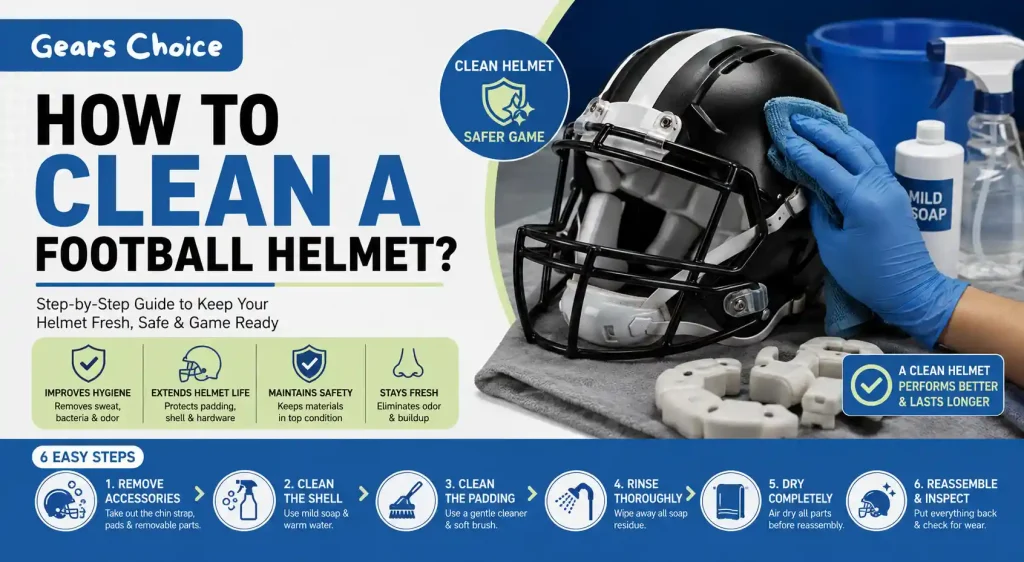
Step 1: Take the Helmet Apart Before You Clean It
Before you touch a single drop of soap, remove everything you can. Take out the removable interior padding, detach the chin strap if your helmet allows it, and set the facemask hardware aside so you are not scrubbing around it.
This one step makes every part of the process faster and more thorough, since you are no longer trying to clean around pads and straps that are still attached. Lay everything out on a towel in the order you removed it. It sounds unnecessary, but it makes reassembly much easier once everything is dry.
Step 2: Clean the Exterior Shell
The outside of the helmet is usually the easiest part to handle, but it still deserves some care.
- Shake or brush off loose dirt, grass, and turf pellets first.
- Dip a soft cloth in warm water mixed with a small amount of mild dish soap.
- Wipe the entire shell in gentle circular motions, paying extra attention to vents and the areas around the facemask attachment points.
- Use a clean, damp cloth to wipe away any leftover soap.
- Dry the shell with a soft towel and let it air dry the rest of the way.
Avoid anything abrasive here. Scouring pads, strong detergents, and commercial polishes can strip the paint or damage the protective coating, which is the same reason a heavier helmet with a scratched shell often looks and performs worse over time. If you are curious how much all that shell and padding actually weighs, our guide on football helmet weight breaks down what goes into the build.
How to Clean Football Helmet Inside: Removable vs Fixed Padding
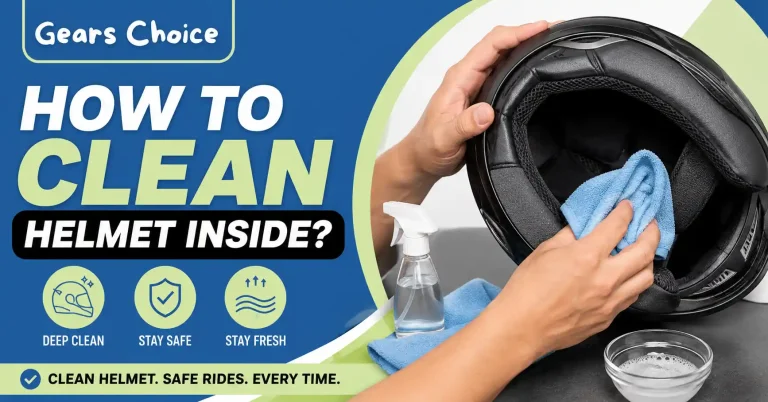
The inside of the helmet is where nearly all the sweat, bacteria, and odor actually live, so this is the part that deserves the most attention.
If Your Helmet Has Removable Padding
- Remove all the pads and set them aside from the shell.
- Soak the pads in a basin of warm water with a small amount of mild soap for about ten to fifteen minutes.
- Wipe down the exposed inner shell with a soapy cloth, then a clean damp cloth to remove the soap residue.
- Rinse the pads and lay everything flat on a towel to dry completely before reassembling.
If Your Helmet Has Fixed, Non Removable Padding
- Dampen a microfiber cloth with warm water and a small amount of mild soap.
- Gently wipe the padding and interior shell, working the cloth into the seams and edges without pressing too hard.
- Wipe again with a clean, damp cloth to remove any soap residue.
- Set the helmet upside down or on its side in a well ventilated spot to dry.
Letting everything dry fully before reassembly is not optional. Damp padding sealed back inside a helmet bag is exactly the kind of environment mold needs to grow, and the CDC points out that mold thrives wherever moisture is present, whether that is a damp basement or a damp piece of sports equipment.
Keep the helmet out of direct sunlight and away from heat vents while it dries too, since both can warp foam padding over time. For a broader look at interior cleaning techniques that apply across different helmet types, our guide on how to clean a helmet interior covers some useful extra tips.
Step 3: Clean the Chin Strap and Buckle
- Remove the chin strap and chin shield if your helmet has one.
- Soak the strap in warm soapy water for a few minutes, then hand wash it gently.
- Rinse thoroughly and let it air dry completely before reattaching it.
- Clean the buckle and any hardware with a cotton swab dipped in soapy water, since these small parts often get overlooked.
Step 4: Clean the Facemask and Visor
The facemask can usually be scrubbed with a soft brush and soapy water since it is metal and fairly tough. The visor needs gentler treatment. Avoid wiping a dry or dirty visor with a cloth, since dust and grit can scratch the surface. Instead, rinse it with plain water first, then use a proper visor safe cleaning spray rather than a household glass cleaner or anything oil based, which can leave a smeary film that causes glare under stadium lights.
Getting Rid of the Smell for Good
If you have cleaned the helmet and it still smells off, the padding likely needs a proper disinfecting pass, not just soap and water.
- Spray a sports safe disinfectant across the interior padding and shell.
- Let it sit according to the product label instead of wiping it off right away, since that contact time is what actually kills odor causing bacteria.
- Allow the helmet to air dry fully before storing it or wearing it again.
When picking a disinfectant, it helps to choose one that is actually proven effective rather than guessing. The EPA maintains a list of registered disinfectant products tested for effectiveness, and checking a product against that kind of standard is a good habit for any piece of gear that touches your skin regularly.
What Not to Do When Cleaning a Football Helmet
A few habits cause more damage than the dirt and sweat ever would.
- Do not submerge the entire helmet shell in water. Wipe and rinse instead of soaking the whole unit.
- Do not use bleach, citrus based cleaners, or strong solvents. These can break down foam padding and damage the shell’s protective coating.
- Do not put the helmet in a washing machine or dishwasher. Both can warp plastic components and destroy the padding.
- Do not use a hair dryer or place the helmet near a heater to speed up drying. Heat weakens foam structure and can loosen adhesive.
- Do not use commercial polishes or abrasive scrubbing pads, since they can void the manufacturer’s warranty on top of damaging the finish.
Replacing a damaged helmet is not cheap, and if you have ever priced out new gear you already know that football helmets can be a significant expense, which makes gentle, correct cleaning well worth the extra few minutes.
Check the Hardware While You Clean
Cleaning day is also a good time to look the helmet over for damage. Check for loose screws, rust on the facemask hardware, cracked padding, or any deformation in the shell. Football helmets are built to strict safety standards, and organizations like NOCSAE oversee recertification standards that confirm a helmet still performs as intended over time. If you notice a crack in the shell or hardware that will not tighten properly, that is a sign the helmet needs professional reconditioning or replacement rather than another round of cleaning.
Removing Minor Scratches
Light surface scratches are common on a helmet that sees regular use, and many players consider them a badge of honor. If you would rather keep the shell looking new, a helmet safe polish applied with a soft cloth can buff out light marks. Deeper gouges that expose the shell underneath are a different story and usually mean it is time to have the helmet inspected rather than attempting a cosmetic fix at home.
Final Thoughts
Keeping a football helmet clean is not complicated once you know the right order of steps and the products to avoid. Remove what you can, use gentle soap and water for the shell and padding, disinfect properly instead of masking odor, and always let everything dry fully before putting it back together.
The same basic tools and technique used here also work well on other headgear, including our guide on how to clean a motorcycle helmet, if you have more than one type of gear to maintain. For more helmet care guides and buying advice, visit Gears Choice.
Frequently Asked Questions
How to clean the inside of a football helmet the right way?
Remove any padding you can, wash it separately in warm soapy water, wipe down the interior shell with a mild soap solution, then rinse and let everything dry completely before putting the helmet back together.
Can I put a football helmet in the washing machine?
No. The shell and hardware are not designed for machine washing, and the process can warp plastic parts and loosen padding adhesive.
How often should a football helmet be cleaned?
A quick wipe down after every practice and game, with a deeper clean including the removable padding about once a week during the season, keeps most helmets in good shape.
Is dish soap safe to use on a football helmet?
Yes, as long as it is a mild, non citrus formula. Harsh detergents and household cleaners not designed for plastics can damage the shell finish.
Why does my helmet still smell after cleaning it?
Odor usually means bacteria are still living in the foam padding. A proper disinfectant spray left to sit for the recommended contact time, followed by full air drying, typically solves lingering smell that soap alone cannot fix.

Hi, I’m James Dean. My motorbike obsession started at age seven with a 50cc bike, and I’ve been riding ever since. From motocross in my teens to cruising and snowmobiling today, I’ve got over 15 years of experience. As a mechanical engineer and passionate rider, I founded gearschoice.com to share my insights and help you find the best motorcycle gear.