Why Do Babies Have To Wear Helmets? Complete Parent Guide
Last Updated On: July 30, 2026
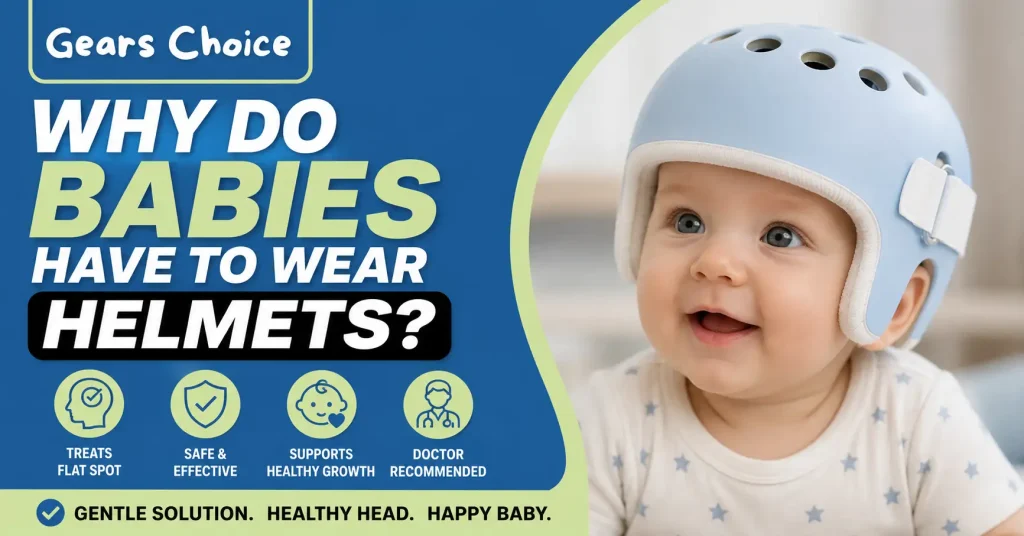
If you have ever spotted an infant wearing a soft padded cap that looks a bit like a bicycle helmet, you are not imagining things. A growing number of parents are turning to helmets for babies to gently reshape a baby’s skull during the first year of life, a treatment doctors call cranial orthosis or helmet therapy.
It can look a little worrying the first time you see it, but the process is calm, painless, and supported by years of pediatric research. This guide walks you through exactly why doctors recommend it, how it works, and what you can expect if your own baby ever needs one.
What Is Helmet Therapy, and Why Do Babies Wear Helmets?
A newborn’s skull is not one solid piece of bone the way an adult’s is. It is made up of several soft, separate plates joined by flexible seams called sutures, with open spaces known as fontanels. This soft structure is what allows a baby to pass through the birth canal and gives the brain room to grow quickly during the first year. According to Healthline, this same flexibility is also the reason babies can sometimes develop irregularly shaped heads in the first place, since the individual skull plates have not yet fused together the way they will later in childhood.
So why do babies wear helmets in the first place? The helmet is not a cure on its own. It works as a gentle guide. It applies light, even pressure to the areas of the skull that stick out too far while leaving open space above the flatter areas, encouraging the head to grow into a more balanced, rounded shape naturally as the baby grows.
Why Do Babies Need Helmets? The Two Conditions Behind Treatment
Doctors generally recommend a cranial helmet for one of two reasons, and understanding the difference matters because the treatment path looks different for each.
Positional Plagiocephaly (Flat Head Syndrome)
This is by far the more common reason. Because a baby’s skull bones are still soft, spending long periods lying on the back of the head, whether during sleep, in a car seat, or in a swing, can cause a flat spot to develop. The Cleveland Clinic explains that a baby’s head shape can be influenced by positioning in the uterus, the birthing process itself, or simply spending a lot of time resting in the same position after birth. Plagiocephaly is not dangerous on its own, but pediatricians often recommend early repositioning, extra tummy time, and in more noticeable cases, a helmet to correct the shape before the skull hardens.
Craniosynostosis
This second condition is less common but more serious. It happens when one or more of the sutures in a baby’s skull fuse together too early, before the brain has finished its rapid early growth. This can restrict brain development and change the shape of the head. According to Norton Children’s Hospital, this condition is usually corrected first through cranial surgery, and only a small number of patients go on to need helmet therapy afterward to fine tune the shape.
Why Do Some Babies Need Helmets While Others Don’t
Not every baby with a flat spot needs a helmet. Many mild cases improve on their own once a baby starts sitting up, rolling, and spending less time on their back. Pediatricians typically watch and wait first, encouraging repositioning techniques, before recommending a helmet.
According to Joe DiMaggio Children’s Hospital, parents should look out for a few specific signs, including a flat spot that has not improved by four to six months of age, a head shape that looks noticeably more uneven on one side, ears that do not line up evenly, or a forehead that bulges more on one side than the other. If any of these signs appear, a pediatrician or specialist can help determine whether helmet therapy is the right next step.
Why Do Newborns Have To Wear Helmets? Timing Matters More Than You Think
Newborns themselves rarely start helmet therapy right away, since doctors usually give the skull a chance to improve naturally first. Timing, however, is everything once treatment is needed. WebMD notes that the best window to begin is typically between five and six months of age, since the skull is still soft enough to reshape easily at that stage.
Waiting too long narrows the window of opportunity, because as a baby approaches their first birthday, the skull bones begin to harden and become far less responsive to gentle reshaping. This is why so many pediatricians encourage parents to raise any concerns about head shape as early as possible rather than waiting for a routine checkup.
Why Do Babies Have To Wear Helmets on Their Head? The Design Explained
Baby helmets are nothing like the helmets used for biking or contact sports. They are custom built for each child. An orthotist takes precise measurements of the baby’s head, often using a 3D scan or a plaster mold, and then builds a helmet with a rigid outer shell and a soft foam lining.
The foam is deliberately trimmed away over the flatter parts of the skull, creating open space for the head to grow into, while gentle contact is maintained over the areas that stick out. Over time, as the skull naturally expands, it fills in that open space and rounds out, which is the entire mechanism behind why the design works so well without ever squeezing or forcing the skull into shape.
How Long Do Babies Wear These Helmets Each Day?
This is usually the part that surprises new parents the most. According to Norton Children’s, most babies wear their cranial helmet for around 23 hours a day, seven days a week, removing it only for baths and cleaning. Treatment generally lasts about three months on average, though the exact timeline depends on how severe the flat spot is and how early treatment begins. Orthotists typically check progress every few weeks and adjust the fit as the baby’s head continues to grow.
Most babies adapt to the helmet within a few days and show no signs of distress. Some parents notice mild redness or sweating at first, which usually settles once the skin adjusts. Keeping the helmet clean, checking for irritation, and following the orthotist’s wear schedule closely all help the treatment stay on track and finish on time.
Helmet Safety Does Not Stop at Infancy
Cranial helmets solve a growth related issue that is unique to infancy, but the story of headgear does not end there. Once babies grow into toddlers and start exploring the world on their own two feet, a very different kind of helmet becomes important, one built for impact protection rather than skull shaping.
Parents often ask why do toddlers have to wear helmets once they start riding tricycles or scooters, and the answer is simple: a toddler’s skull, while no longer soft in the same way, is still developing, and a fall from even a small scooter can cause a serious head injury without proper protection. If your little one is getting their first set of wheels, our guide to the best scooter helmets for toddlers breaks down what to look for in terms of fit, ventilation, and certified safety standards.
The same logic applies as children get older. Parents frequently wonder why do kids have to wear helmets for activities like biking, skating, or riding an ATV, and the short answer is that a child’s brain is still developing well into their teenage years, making head protection just as important at eight as it is at two. If your family rides off road, take a look at our roundup of the best youth ATV helmets for age appropriate protection.
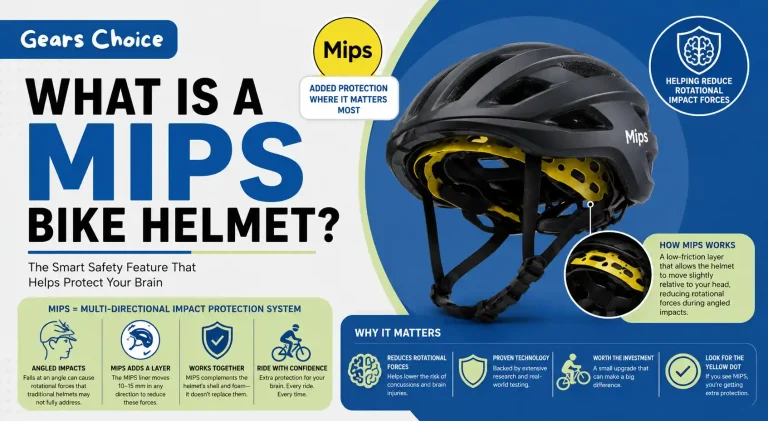
Fit matters just as much as the helmet itself. A helmet that sits too loosely or too tightly will not protect a child properly in a fall, so it is worth learning how to measure helmet size correctly before you buy. Many modern kids’ helmets also include rotational impact protection, and our explainer on what MIPS technology actually does is a helpful read if you have seen the term on packaging and wondered what it means. Not every helmet style offers equal coverage either, and if you are weighing a lighter option for your child, our breakdown of whether half helmets are safe enough is worth a look before you decide.
Final Thoughts
Helmet therapy can feel like a big step for new parents, but it is a well studied, low risk treatment that works with your baby’s natural growth rather than against it. Whether your baby needs one for plagiocephaly, craniosynostosis, or simply as a precaution your pediatrician recommends, understanding how the process works can make the next few months feel a lot less overwhelming. And once your little one graduates from cranial helmets to scooters, bikes, or sports, you can find guidance on every stage of helmet safety over on our at Gears Choice.
Frequently Asked Questions
Does helmet therapy hurt my baby?
No. The helmet applies gentle, painless pressure and most babies get used to wearing it within a few days.
Will insurance cover the cost of a cranial helmet?
Coverage varies widely by provider and by diagnosis. It is worth calling your insurance company directly and asking your pediatrician for the documentation they typically require.
What happens if my baby does not get treated?
Mild plagiocephaly often improves with repositioning alone. In more moderate to severe cases, an untreated flat spot can become a permanent part of the skull shape once the sutures fuse.
Can an older baby or toddler still benefit from a helmet?
Effectiveness drops off significantly after about twelve months as the skull hardens, which is why early evaluation matters so much.

Hi, I’m James Dean. My motorbike obsession started at age seven with a 50cc bike, and I’ve been riding ever since. From motocross in my teens to cruising and snowmobiling today, I’ve got over 15 years of experience. As a mechanical engineer and passionate rider, I founded gearschoice.com to share my insights and help you find the best motorcycle gear.