How to Keep Your Hairstyle While Wearing a Helmet (Complete Guide)
Last Updated On: July 30, 2026
If you ride regularly, you already know the tradeoff. You put on a helmet to protect your head, and you take it off to a flat, sweaty, tangled mess that barely looks like the hairstyle you left home with. It is one of the most common complaints among riders, and it is also one of the easiest problems to fix once you understand what is actually causing it.
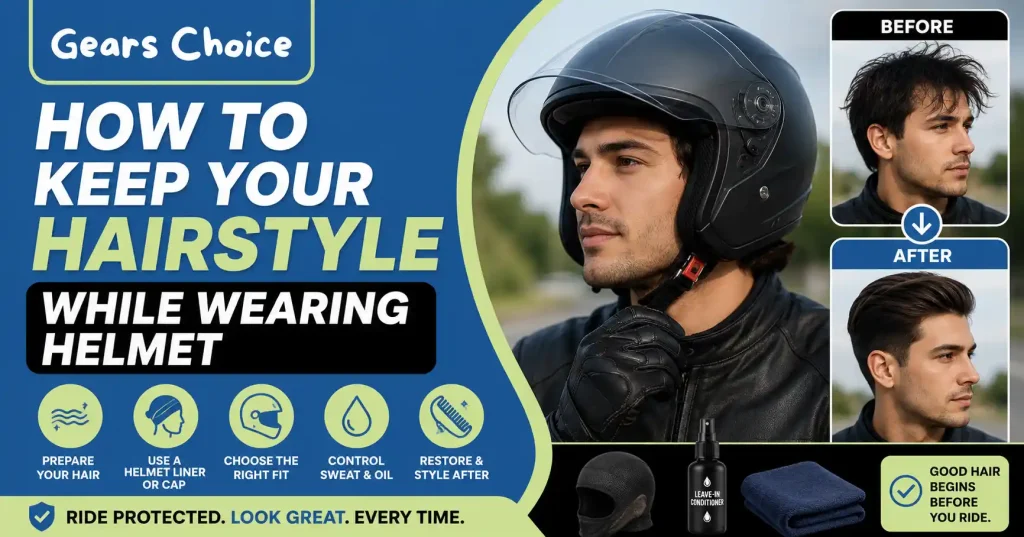
Helmet hair is not really about the helmet itself. It is about pressure, friction, sweat, and moisture all acting on your hair at the same time for an extended ride. Once you address those four factors, most of the damage and the mess become preventable. This guide walks through exactly how to take care of hair while wearing helmet setups of every kind, whether you are commuting daily on a scooter or spending hours on a highway ride.
Why Helmets Affect Your Hair in the First Place
Every helmet applies steady pressure to your scalp and hair, and that pressure does not let up for the length of your ride. Combine that with the friction of hair rubbing against foam padding, plus the sweat your scalp naturally produces, and you get flattened strands, frizz, and in some cases actual breakage at the hairline.
This is not just a cosmetic issue. According to the American Academy of Dermatology, repeated tension from tight headwear and pulled back hairstyles is a known contributor to traction alopecia, a form of hair loss caused by constant pulling on the hair shaft. It is usually reversible if caught early, but it is a good reason to think about how your hair sits inside your helmet, not just how it looks when you take the helmet off.
The good news is that a few small changes to your routine make a real difference, and none of them require giving up riding or cutting off all your hair.
Get Your Hair Ready Before You Even Touch the Helmet
Most of the damage happens before you ever swing a leg over the bike, simply because of how your hair is prepared.
- Always ride with completely dry hair. Trapping damp hair inside a closed helmet for an hour creates a warm, moist environment, and that is exactly the kind of setting where scalp fungus and yeast thrive. The Cleveland Clinic notes that damp hair kept in an enclosed, warm space raises the risk of scalp irritation and fungal buildup, so a quick blow dry or simply waiting until your hair is fully dry before you ride is worth the extra five minutes.
- Keep your scalp clean, but do not overdo the product. A light, natural oil such as coconut oil or aloe vera can keep your scalp from drying out, but heavy gels, waxes, and sprays tend to combine with sweat and helmet padding to create buildup, which can worsen flaking and irritation. If dandruff or scalp flaking is already an issue for you, the AAD’s guidance on treating dandruff recommends adjusting your shampoo routine based on your hair type rather than just washing more often.
- Brush gently, not aggressively. Tugging or pulling while detangling adds unnecessary stress to hair that is already going to be under pressure inside the helmet. The AAD’s hair care tips specifically call out gentle brushing and avoiding tightly pulled styles as simple habits that protect your hairline over time.
Choose the Right Barrier Between Your Hair and the Helmet
One of the simplest upgrades you can make is what sits between your scalp and the helmet padding.
Cotton is the most common material used in cheap liners and bandanas, but it grips hair rather than letting it glide, which increases friction and frizz. Silk and satin, by contrast, are noticeably smoother, so hair slides against the fabric instead of catching on it. This is the same reason dermatologists often recommend silk pillowcases for reducing overnight breakage, and the effect is just as relevant inside a helmet during a long ride.
A thin silk or satin liner, a bandana, or a lightweight balaclava placed under the helmet does two things at once. It absorbs sweat before it reaches your hairline, and it reduces the direct rubbing between your hair and the foam interior. If you sweat heavily, look for a liner labeled moisture wicking, since it will pull dampness away from your scalp rather than trapping it.
Pick a Helmet That Actually Fits
A helmet that is too tight will pull at your hairline every time you put it on or take it off, and a helmet that is too loose will let your hair shift and tangle as it moves around inside. Neither situation is good for your hairstyle or your comfort.
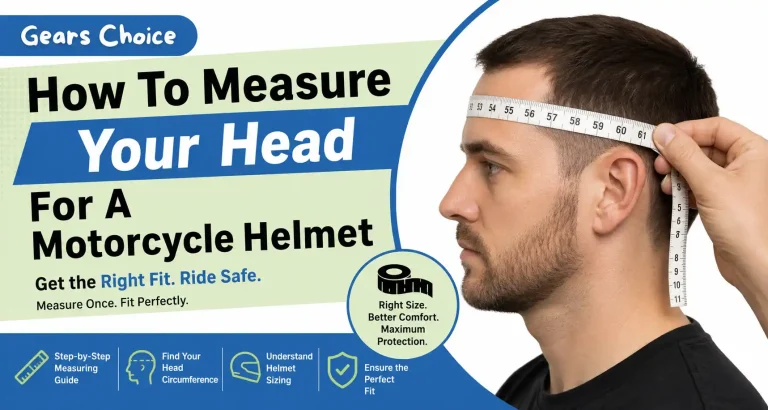
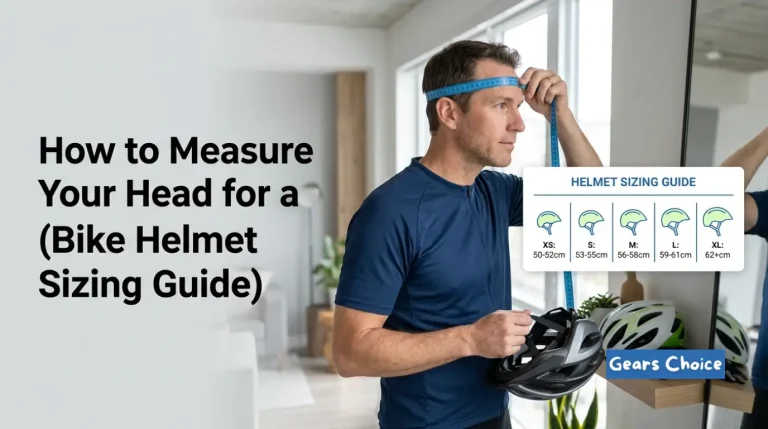
Before you decide a helmet is the problem, it is worth checking whether the fit itself is off. Our guide on how a motorcycle helmet should fit walks through the pressure points to check for, and our page on how to measure your helmet size will help you confirm you are wearing the correct size in the first place. Getting this right solves two problems at once: comfort and hair protection.
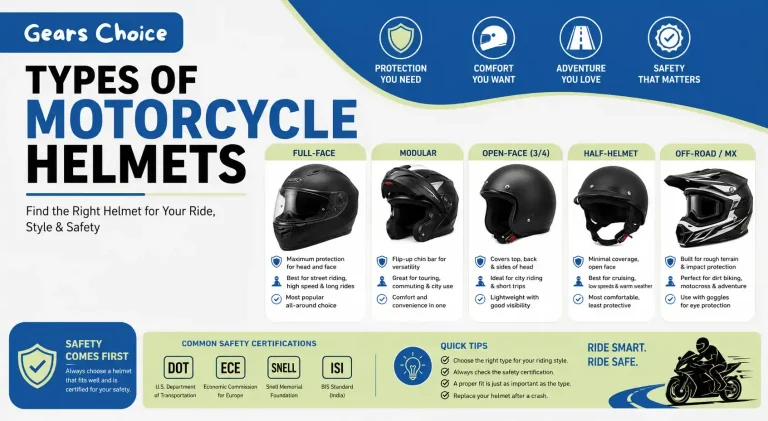
It is also worth knowing which types of motorcycle helmets give you more room and airflow. Riders with thicker or longer hair often do better in helmets with a bit more internal volume and stronger ventilation, since cramped, poorly ventilated shells trap more heat and sweat against the scalp.
The Best Approach by Hair Type
Not everyone’s hair reacts to a helmet the same way, so the fix looks a little different depending on what you are working with.
Short Hair and Buzzed Styles
If you are wondering how to keep hairstyle while wearing helmet men typically ask about most often, it usually comes down to short cuts. Crew cuts, fades, and buzzed styles hold up extremely well under a helmet simply because there is less hair to flatten or tangle.
The main tradeoff is that shorter hair offers less of a buffer between your scalp and the helmet’s interior, so sweat and oils reach the padding faster. Cleaning your helmet’s interior regularly matters even more with these cuts, since there is less hair to absorb the moisture before it hits the liner.
Long or Straight Hair
Long hair benefits most from being secured before the helmet goes on, rather than left loose. A low ponytail, a loose braid, or a bun positioned at the nape of the neck (not high on the crown, where it will press uncomfortably against the shell) all keep hair from tangling or catching wind once you are moving. Avoid anything piled up too high or too tight, since dense buns pressed directly against the top of the helmet can be uncomfortable and contribute to the pulling tension mentioned earlier.
Curly Hair
Curly hair tends to dry out faster and is more prone to frizz from friction, so a leave in conditioner or light curl cream before your ride helps maintain moisture. Pairing this with a silk or satin liner reduces the frizz caused by curls rubbing against rougher fabric or foam padding.
Thinning Hair
If your hair is already thinning, avoid tight styles altogether and favor a properly fitted helmet with a soft, breathable liner. Repeated pressure on the same section of scalp can be more noticeable with finer hair, so rotating where a ponytail or part sits from ride to ride helps distribute the pressure more evenly over time.
How to Tie a Liner or Bandana the Right Way
A liner only helps if it is positioned correctly. Here is a simple method that works for most helmet types.
- Fold a square silk or cotton bandana into a triangle, then fold the long edge over once more to create a band roughly two inches wide.
- Place the band across your forehead, just above your eyebrows, with the middle resting flat against your hairline.
- Bring the two ends around to the back of your head and cross them over each other.
- Tie a simple knot or bow at the back, keeping it flat rather than bulky, so it does not create a pressure point once the helmet is on.
- Put your helmet on as you normally would, checking that the liner has not bunched up or shifted out of place.
- When you arrive, remove the helmet first, then untie the liner. This order keeps your hair aligned instead of pulling it in two directions at once.
This same idea works with a thin balaclava. Just make sure whatever material touches your hairline is a natural, breathable fabric that has been recently washed.
Put Your Helmet On (and Take It Off) the Right Way
The technique you use to put on and remove your helmet matters almost as much as what is underneath it. Jamming a helmet straight down onto your head drags hair forward and tangles it against the shell. Instead, tilt your head slightly forward and roll the helmet on from front to back, letting your hair settle naturally as the shell moves into place, rather than pulling it in one direction.
This is especially effective with a modular helmet, since you can flip the chin bar up, roll the helmet on with less resistance, and avoid the straight on pull that flattens hair at the crown. Use the same rolling motion in reverse when removing the helmet at the end of your ride.
Keep the Helmet Itself Clean
A clean scalp does not stay clean for long if it is resting against a dirty helmet interior. Sweat, oil, and dead skin build up inside the padding over time, and that buildup gets pressed back into your hair and scalp every time you ride.
Removable, washable liners should be cleaned regularly, and the shell’s interior should be wiped down periodically as well. Our full walkthrough on how to clean the inside of a helmet covers the process step by step, including how often you should be doing it if you ride frequently. Keeping this habit up reduces the chances of the flaking and irritation that heavy sweat buildup can cause over time, an issue the AAD also addresses in the context of everyday scalp care.
Quick Fixes for After the Ride
Prevention only gets you so far. Once the helmet comes off, a few fast steps can restore your hairstyle in under a minute.
- Dry shampoo or a light volumizing spray lifts flattened roots and absorbs any oil that built up during the ride, without requiring a full rewash.
- A small comb or brush, kept in a jacket pocket or under the seat, is enough to redistribute hair and smooth out the shape a helmet leaves behind.
- A cap or beanie is the simplest backup plan if you have somewhere to be right after riding and do not have time for a full fix. Keep one folded flat in your bag so it is always available.
- A quick finger comb with a small amount of water works in a pinch for short or textured styles that do not need a full brush out.
None of these take more than a minute or two, but they make the difference between arriving somewhere looking like you just took off a helmet and arriving looking like you did not.
The Bottom Line
Helmet hair is frustrating, but it is almost always fixable with a handful of small habit changes: drying your hair fully before you ride, adding a smooth liner between your scalp and the padding, wearing a helmet that actually fits, and keeping both your hair and your gear clean. None of this means compromising on protection.
As the National Highway Traffic Safety Administration points out, wearing a proper helmet remains one of the most effective ways to prevent serious injury while riding, so the goal here is never to skip the helmet, only to make wearing one easier to live with.
If you are shopping for a helmet that fits better, breathes easier, or simply suits your hair type more comfortably, browse the full range of options at Gears Choice to find the right fit for your next ride.
Frequently Asked Questions
Does wearing a helmet cause permanent hair loss?
Not typically. Flattening and frizz from a single ride are temporary. However, years of tight, poorly fitted headwear pressing on the same spots can contribute to traction alopecia in some riders, which is why a properly sized helmet and a gentle liner matter over the long run.
How to keep hairstyle while wearing helmet on a long ride?
Secure long hair in a low, loose style before you start, use a silk or satin liner underneath the helmet, and make sure the helmet itself fits correctly so it is not pulling at your hairline for the entire trip. Taking short breaks on longer rides to let your scalp breathe also helps.
What is the best routine for oily hair or dandruff under a helmet?
Wash with a shampoo suited to your scalp type, avoid heavy styling products before you ride, and clean your helmet’s interior regularly so oil and flakes are not being reabsorbed into your hair on every trip.
Does a helmet cause dandruff?
Not directly, but sweat and trapped moisture can aggravate an already flaky or oily scalp. Treating the underlying scalp condition, rather than blaming the helmet alone, is the more effective approach.
What is the best hairstyle for wearing a helmet every day?
For most riders, low and loose beats high and tight. A low ponytail, a simple braid, or a short, low maintenance cut all hold up better under daily helmet use than anything piled high on the crown or pulled very tight.

Hi, I’m James Dean. My motorbike obsession started at age seven with a 50cc bike, and I’ve been riding ever since. From motocross in my teens to cruising and snowmobiling today, I’ve got over 15 years of experience. As a mechanical engineer and passionate rider, I founded gearschoice.com to share my insights and help you find the best motorcycle gear.