Giro Agilis MIPS Review: Tested on Road and Gravel
The Giro Agilis MIPS helmet is a popular choice for riders who want more protection and comfort without paying premium race helmet prices. It is one of the best value helmets you can buy under $120.
It brings proper gravel-ready protection and a 32-vent airflow system into a package that works just as well in a road paceline as it does on a rough gravel track. In this Giro Agilis MIPS helmet review I share real world impressions from road and gravel rides so you can decide if it is the right helmet for you.
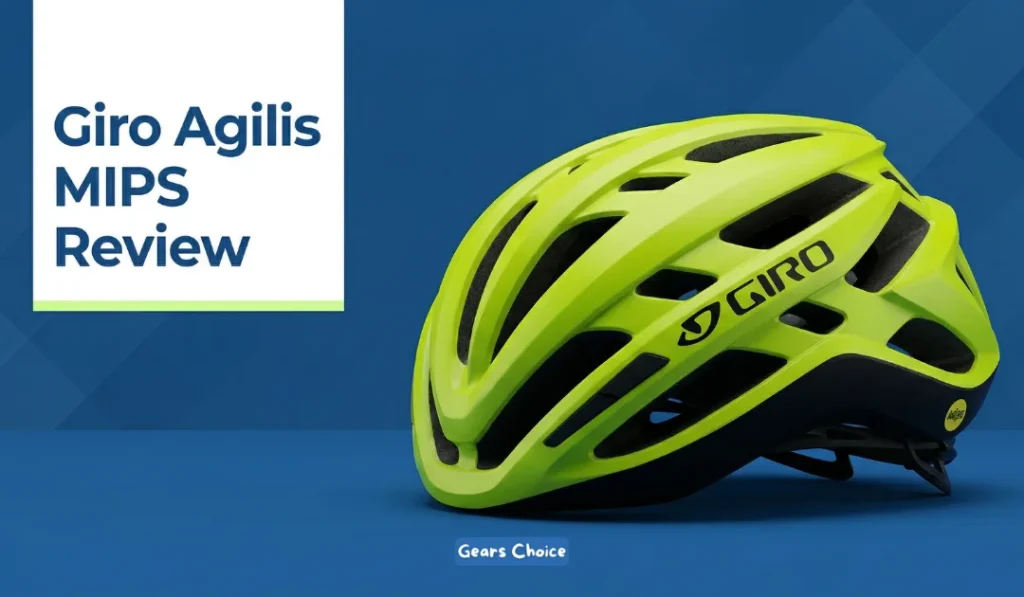
Overview of Giro agilis MIPS helmet
This Giro Agilis helmet review starts where it should: with who this helmet is actually built for. The Giro Agilis helmet is made for riders who spend most of their time on the road but also enjoy light gravel and everyday commuting. It suits cyclists who want a secure fit, extended coverage and modern safety technology at a mid range price.
If you ride a mix of weekend group rides, mid week training rides and occasional gravel paths this helmet hits a sweet spot between comfort ventilation and protection. It is not the lightest full race helmet but it feels reassuring and stable on long days in the saddle.
The fit suits narrower heads especially well, the Roc Loc 5.5 MIPS system is easy to adjust on the fly, and the build quality punches well above its price point. It is not perfect: our testers found it can run warm when pushing hard on the road, and long-haired riders will find the rear opening too snug for a ponytail. But for riders who want a do-it-all helmet at a sensible price, the Agilis is hard to beat.
Best for: Gravel riders, road cyclists who want extra protection, narrow-headed riders, and anyone who wants premium safety features without paying premium prices.
Pros and Cons of Giro Agilis MIPS Helmet
Pros
Cons
Giro Agilis MIPS Quick Specifications
Here is a quick look at the main details of the Giro Agilis MIPS helmet.
|
Feature |
Description |
|---|---|
|
Helmet Type |
Road and gravel cycling helmet |
|
Safety Tech |
MIPS liner and hardbody shell |
|
Fit System |
Roc Loc 5 or Roc Loc 5.5 depending on version |
|
Ventilation |
Around 32 vents with internal channeling |
|
Construction |
In mold polycarbonate shell with EPS foam |
|
Recommended For |
Road riders commuters and gravel riders who want value and safety |
Key Features of Giro Agilis MIPS Helmet
Market-leading features are present in Giro agilis MIPS. You can have a look at the further details:
MIPS Protection
MIPS stands for Multi Directional Impact Protection System. Inside the helmet there is a low friction liner that can move slightly during an impact. This helps reduce some of the rotational forces that reach your brain in an angled crash.
You do not really notice the MIPS layer while riding because it sits close to the padding. The benefit is extra peace of mind especially if you ride in traffic or on fast descents where crashes are more likely to involve twisting impacts.
Roc Loc Fit System
The Giro Agilis MIPS uses the Roc Loc fit system which is one of the reasons many riders like Giro helmets. A small dial at the back lets you tighten or loosen the cradle with one hand even while pedaling. You can also adjust the vertical height of the cradle so it sits comfortably on the back of your head.
This system gives a very snug secure feel without needing to over tighten the straps. Once it is set up the helmet does not move around when you look over your shoulder or ride on rough roads.
In Mold Construction And Coverage
The helmet uses in mold construction where a tough polycarbonate outer shell is fused with the EPS foam liner. This keeps weight low while improving structural strength. Many versions of the Agilis also have a hardbody shell that wraps around more of the foam for better durability.
Coverage is deeper around the temples and the back of the head than many old style road helmets. If you lean towards gravel riding or want extra confidence in traffic this extended coverage is a real advantage.
Ventilation And Cooling
Giro Agilis MIPS ventilation is one of the headline selling points at this price. Giro has given the Agilis a large number of vents usually around 32 with internal channels that guide air across your head and out through the back of the helmet. On steady rides and climbs in warm weather the airflow feels generous and helps sweat evaporate quickly.
On really hard efforts some riders say it can still feel a little warm compared with the very light and very open top race helmets but for a mid range helmet the cooling is impressive. If you ride in mixed conditions from cool mornings to hot afternoons the Agilis balances comfort and protection well.
Fit Comfort And Sizing
Fit is the area where helmets can feel amazing for one rider and wrong for another. The Giro Agilis MIPS generally suits riders with slightly round or neutral head shapes. Riders with very long narrow heads may find some Bell or other brands more comfortable.
Sizing Guidance
The helmet usually comes in three sizes: small, medium and large. Each size covers a range of head circumferences measured above the eyebrows. Always measure your head and check the size chart from the retailer before buying because the right size makes a huge difference to comfort and safety.
Comfort On Long Rides
On rides of two to three hours the padding feels soft and the cradle does a good job of spreading pressure evenly around the head. There are no hard edges pressing into the temples or forehead if the size is correct. The quick dry padding also handles sweat fairly well so you do not feel like you are wearing a soaked sponge at the end of a ride.
Riders with ponytails can usually route hair through the rear of the cradle without much trouble. If you wear glasses the front vents and straps leave enough space for most common cycling frames.
Giro Agilis MIPS Safety Rating
Independent lab testing and certification matter when choosing a helmet. The Giro Agilis MIPS meets CPSC standards for the US market and carries CE EN 1078 certification for European riders. The Giro Agilis MIPS safety rating also benefits from Virginia Tech’s helmet testing program, where MIPS equipped helmets in this category have consistently scored well due to the rotational impact protection the slip liner provides.
While Giro does not publish a single headline score, the combination of MIPS technology, a four piece hardbody shell and in mold EPS construction puts it in a strong position among helmets at this price point. If certified safety performance is a priority for you, the Agilis holds up well against more expensive alternatives.
Real World Riding Impressions
Before getting into specifics, it is worth noting that this Giro Agilis MIPS test was carried out across multiple ride types, weather conditions and surfaces to give a complete picture rather than a single snapshot.
On The Road
As a Giro Agilis MIPS road helmet review subject, it performs confidently. On the road the helmet feels stable and predictable. The Roc Loc system keeps it from wobbling when you stand to sprint or hit rough tarmac. There is a little wind noise at higher speeds which is normal with well vented helmets but it never becomes distracting.
The weight is low enough that you forget about it after a few miles. You can ride for a full day without feeling like your neck is tired from the helmet. This is important if you do longer sports or weekend century rides.
On Gravel And Rough Surfaces
On gravel roads and light off road sections the extended coverage at the back and sides gives a reassuring feeling. The helmet stays in place even when the front wheel hits loose stones or ruts. Ventilation remains good at typical gravel speeds so your head does not overheat when climbs become slow.
If you do very aggressive off road riding or mountain biking you might still prefer a dedicated trail helmet with even more coverage but for mixed surface rides the Agilis is a very capable choice.
In Hot And Cool Weather
In mild or cool conditions the helmet feels very comfortable. In hot summer weather around midday the helmet still performs well but you may notice heat build up during long intense climbs at race pace. This is similar to what some testers have reported in other detailed reviews of the Agilis.
If you live in a very hot climate and always ride hard you may want an even more ventilated premium model. For most riders in mixed climates the balance of airflow and coverage is very good.
Weight Price And Value
Talking about Giro Agilis weight specifically: the size small comes in at 271g and the size medium at 296g. Exact weight varies by size but the Giro Agilis MIPS sits in a reasonable range for a mid tier road helmet with MIPS. It is not super feather light like some top tier models but it is much lighter than older bulky helmets and it feels light enough for long rides.
The price is usually in the affordable to mid price bracket depending on sales and region. Considering that you get MIPS technology extended coverage, a trusted fit system and good ventilation it offers strong value for money. Many riders and reviewers mention it as a smart choice for budget conscious cyclists who still care about safety.
Giro Agilis MIPS Versus Other Helmets
The Agilis MIPS sits in a competitive part of the market. Here is how it stacks up against the helmets most often compared to it:
|
Helmet |
Weight |
Vents |
MIPS |
Best for |
Price* (Approx.) |
|---|---|---|---|---|---|
|
Giro Agilis MIPS |
296g (M) / 271g (S) |
32 |
YES |
Road and gravel |
~$90 |
|
~290g |
21 |
YES |
Road |
~$65 |
|
|
~310g |
28 |
YES |
Road and gravel |
~$100 |
|
|
~350g |
20 |
NO |
Recreational |
~$25 |
|
|
~320g |
15 |
NO |
Commuting |
~$40 |
|
|
~300g |
19 |
YES |
Recreational |
~$75 |
The Smith Signal MIPS is a reasonable budget alternative with MIPS included, but its 21 vents and road-only build cannot match the Agilis for mixed terrain riding.
The Sweet Protection Outrider MIPS is the closest rival overall, with 28 vents and the same road-plus-gravel philosophy. It costs slightly more and weighs a little more, but either helmet is a strong choice at this price point.
The Giro Register II MIPS is a step down from the Agilis at $75, with fewer vents and a simpler two-piece shell. It works well for casual rides but is not built for regular performance cycling.
The Retrospec Lennon and Schwinn Thrasher are budget commuter options with no MIPS protection. The Lennon adds a handy built-in LED light at around $40, and the Thrasher keeps things simple at $25. Fine for casual low-speed rides, but not the right choice if you ride regularly at pace or on rough terrain.
The Agilis MIPS outperforms everything in this group under $100 on vents, shell quality, coverage, and safety. At its price, it genuinely overdelivers.
Final Verdict: Should You Buy The Giro Agilis MIPS?
To wrap up this Giro Agilis review, the verdict is clear. The Giro Agilis MIPS is a strong choice for road riders, commuters and gravel fans who want a safe, comfortable and well ventilated helmet at a sensible price. It combines MIPS protection, deep coverage and the trusted Roc Loc fit system in a package that works in real world conditions not just on paper.
If you value safety and comfort more than having the very lightest race helmet, the Giro Agilis MIPS bike helmet is easy to recommend. Check your head size, choose the right size and you will have a helmet that can serve you well for many seasons of riding.
Frequently Asked Questions (FAQs)
Is the Giro Agilis MIPS good for gravel riding?
Yes. It is one of the better choices at this price for gravel riding. The extended rear coverage, four-piece hardbody shell, chamfered vents, and MIPS protection all make it more capable off-road than a standard road helmet. It ventilates well at climbing pace and the fit stays secure on rough terrain.
Does the Giro Agilis MIPS fit large heads?
The large size fits head circumferences from 59 to 63cm. If you are at the borderline between medium and large, size up. The helmet tends to fit narrow heads particularly well. Wider or rounder head shapes may find the fit tight around the temples.
What is the difference between the Giro Agilis and the Giro Synthe?
Note: some riders search for the Giro Syntax vs Agilis comparison, which typically refers to the Giro Synthe. The Synthe is Giro’s premium road racing helmet. It has 26 vents, a lighter weight, and a more aerodynamic shape optimized for high-speed road riding. The Agilis has 32 vents, extended rear coverage, a tougher shell, and costs significantly less. The Agilis is the better choice for mixed terrain; the Synthe is better for pure road racing.
How heavy is the Giro Agilis MIPS?
271g in a size small and 296g in a size medium. This is slightly heavier than some road-only helmets at a similar price, but the extra weight comes from the extended rear coverage and the more robust shell construction.
Is the Giro Agilis MIPS worth it?
Yes, for most riders. You get MIPS protection, 32 vents, in-mold construction, and a four-piece hardbody shell for around $90. Helmets with a similar spec sheet often cost $130 or more. The value is genuinely strong.
Can you wear a ponytail with the Giro Agilis MIPS?
It is possible but tight. The rear opening of the Roc Loc 5.5 MIPS cradle does not leave a lot of room. Riders with thick or high ponytails may find it uncomfortable. If this is a priority, we recommend trying it on in a store before buying.
How does MIPS work in the Giro Agilis?
The MIPS layer is a low-friction slip plane integrated into the Roc Loc 5.5 cradle. On impact, it can slide 10 to 15mm in any direction, which reduces the rotational force transferred to your brain in a glancing crash. The four elastomer studs that attach the cradle to the shell also allow a small amount of flex. Together, these features make the Agilis meaningfully safer than a non-MIPS helmet in angled impacts.

Hi, I’m James Dean. My motorbike obsession started at age seven with a 50cc bike, and I’ve been riding ever since. From motocross in my teens to cruising and snowmobiling today, I’ve got over 15 years of experience. As a mechanical engineer and passionate rider, I founded gearschoice.com to share my insights and help you find the best motorcycle gear.