Scorpion Exo-r420 Review: Is This Budget Snell Helmet Worth It in 2026
Last Updated: Feb 21, 2026
Quick Verdict:
- Overall Rating: 4.5/5
- Best For: Budget-conscious street riders wanting Snell-certified protection under $200.
- Not Ideal For: Riders who prioritize max ventilation, minimum weight, or need an integrated sun visor.
With over 15 years of riding motorcycles across everything from city commutes to long-distance highway touring, I have tested a lot of helmets at every price tier. The question I get asked most is simple: can a budget helmet actually keep you safe? My honest answer is yes, but only if it carries the right certification and is built to a consistent standard. That is exactly why the Scorpion EXO-R420 deserves a thorough review.
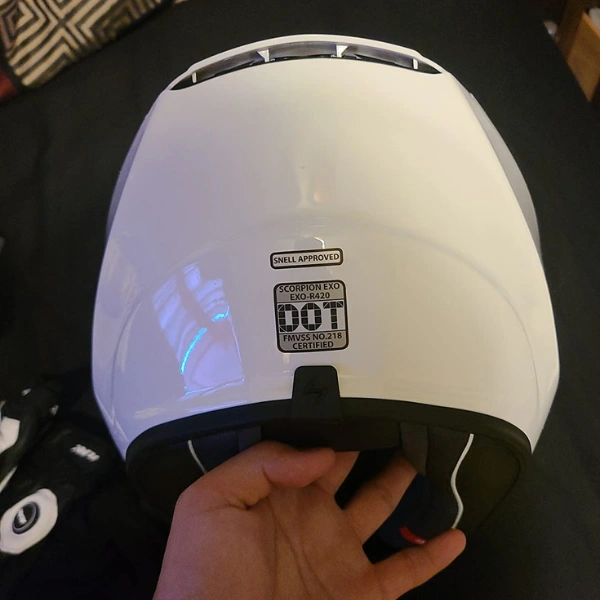
The EXO-R420 sits under the $200 range and carries both DOT approval and Snell M2015 certification. At this price, Snell certification is genuinely rare. Most helmets here stop at DOT only, which is the minimum legal standard in the United States. Scorpion went further, and that decision makes the R420 stand out in a crowded budget segment.
In this Scorpion Exo-r420 helmet review I will cover every aspect of this helmet: safety certifications, build quality, ventilation, the face shield, noise levels, fit and sizing, glasses compatibility, Pinlock availability, long-ride comfort, and what’s my experience after months of use.
Overview Of Scorpion Exo-r420
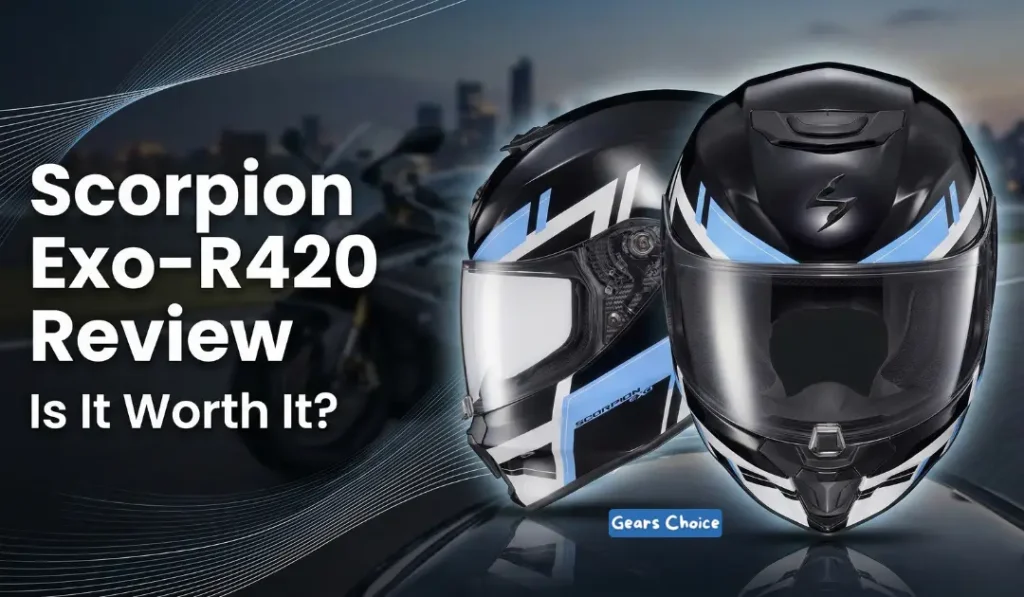
The Scorpion EXO-R420 is a feature-packed, DOT-approved modular motorcycle helmet built for riders who refuse to compromise on safety or style. Constructed from a lightweight polycarbonate shell, it efficiently disperses impact energy across multiple EPS (Expanded Polystyrene) liner layers, offering superior crash protection and optimized airflow in a single package.
The EverClear anti-fog face shield ensures crystal-clear visibility in all weather conditions, while the integrated SpeedView solar shield adds convenience for sun glare management. Riders will appreciate the built-in Bluetooth communication system with pocket speaker integration, enabling hands-free calls and audio streaming directly through the helmet.

The dual-density EPS construction paired with Scorpion’s KwikWick II antimicrobial liner keeps the fit snug, ventilated, and hygienic on long rides. Whether you’re touring highways or navigating city traffic, the EXO-R420 delivers a well-rounded balance of impact absorption, ventilation, and rider comfort at a competitive mid-range price point.
A strong choice for intermediate and touring riders seeking Bluetooth-ready helmet technology without breaking the bank.
Scorpion EXO-R420 Key Specifications
|
Specification |
Detail |
|
Shell Material |
Polycarbonate (2 shell sizes) |
|
Inner Material |
Multi-density EPS (Expanded Polystyrene) |
|
Safety Certifications |
DOT FMVSS 218 + Snell M2015 |
|
Weight |
Approximately 3.75 lbs (1.7 kg) in medium size |
|
Ventilation |
Aero-tuned: 3-way chin vent, crown vent, rear exhaust |
|
Face Shield |
Scorpion EverClear anti-fog, Ellip-Tec II ratchet |
|
Retention System |
Double-D ring chin strap |
|
Cheek Pad Release |
EQRS Emergency Quick Release System |
|
Available Sizes |
XS through 3XL |
|
Head Shape Fit |
Intermediate oval (between round and long oval) |
|
Speaker Pockets |
Yes, Bluetooth-ready with integrated speaker cavities |
|
Shield Included |
Clear shield only (tinted shield sold separately) |
Safety Certifications: What DOT and Snell M2015 Actually Mean
Before talking about how a helmet looks or feels, we need to talk about what happens when it matters most. The EXO-R420 carries two certifications, and understanding the difference tells you exactly what you are getting for your money.
DOT FMVSS 218
DOT is the legal minimum required to sell a motorcycle helmet in the United States. It is a self-certification process, meaning manufacturers declare compliance without mandatory independent verification on every production batch. DOT evaluates impact attenuation, penetration resistance, retention system strength, and peripheral vision. It is a meaningful baseline, but not the gold standard.
Snell M2015: The Independent, More Demanding Standard
The Snell Memorial Foundation is an independent nonprofit that conducts its own rigorous testing beyond DOT requirements. Snell M2015 uses higher energy impact levels, both flat and hemispherical anvils to simulate different crash scenarios, and tests multiple impact zones on the same helmet. Critically, Snell purchases helmets off retail shelves for testing rather than accepting manufacturer-submitted samples. This independence makes the certification meaningfully stronger than DOT alone.
Is Polycarbonate Actually Safe? Addressing the Most Common Concern
Riders often see ‘polycarbonate shell’ listed as a spec and assume it means the helmet is unsafe or cheaply made. This is a widespread misconception worth correcting directly. Polycarbonate is a thermoplastic polymer that absorbs and disperses impact energy through controlled deformation.
At the Snell M2015 certification level, a polycarbonate shell must pass the same impact force thresholds as fiberglass or composite shells. The material itself is not the safety differentiator at street riding speeds. What changes as you move to fiberglass or carbon fiber is weight and multi-impact performance, not the basic protection geometry during a single crash event.
A Snell-certified polycarbonate helmet like the EXO-R420 provides excellent protection for everyday street riding. The people who need to look beyond polycarbonate are primarily track racers who may experience multiple high-energy impacts in a single incident, not street commuters.
Quick Tip: If someone tells you polycarbonate helmets are unsafe, ask them to point to a specific certification failure. No such failure exists for the EXO-R420. The Snell stamp is the only third-party safety evidence that matters here, and this helmet has it.
Two Shell Sizes
The EXO-R420 is manufactured in two distinct shell sizes rather than one shell padded out to fit different head sizes. This matters for safety geometry. Two shell sizes is above the industry minimum of one, though premium helmets often offer three or more.
EQRS Emergency Quick Release System
The EQRS allows first responders to remove the helmet from an injured rider without moving the neck. Pulling two clearly marked red fabric tabs removes the cheek pads instantly. This feature is standard on helmets costing two or three times as much, and seeing it on a under $200 helmet is genuinely impressive from a safety design standpoint.
Build Quality and Construction
The shell feels solid and well-assembled. The paint quality is noticeably better than competing helmets at this price. The graphics sit under a clear coat that adds depth rarely seen on budget lids, and the finish resists minor scratches and occasional drops without the chipping you often see on cheaper alternatives.
The Double-D Ring Retention System
The chin strap uses a Double-D ring closure, which is the preferred retention system among experienced riders and mandatory at most track days. Unlike micro-click buckles, the Double-D ring adds no mechanical complexity that could fail under extreme load. Once you learn to fasten it efficiently, the security advantage is well worth the brief learning curve.

Weight Reality Check
A medium EXO-R420 weighs approximately 3.75 lbs (1.7 kg). This places it in the heavier half of the full-face budget category. Premium fiberglass and carbon fiber helmets at two or three times the price can weigh as little as 2.8 to 3.2 lbs. The extra weight becomes noticeable on rides exceeding two hours, and riders with a history of neck fatigue should account for this before purchasing.
Ventilation: Assessment of the Aero-Tuned System
Scorpion markets the EXO-R420 as having aero-tuned ventilation. Here is an honest breakdown of what works and where the limitations are.
The Chin Vent: The Standout Performer
The chin vent is genuinely excellent for this price range. It operates as a three-position slider: closed, shield vent (directs air toward the face shield to reduce fogging), and face vent (directs air onto your face and chin). In warm riding conditions above 45 mph, the face vent position delivers a noticeable and pleasant airflow. The shield vent position is particularly effective at preventing fogging when temperatures are cool and you need to keep the shield fully closed.
The Crown Vent Buzz Problem
One specific complaint that comes up repeatedly is an annoying buzzing or whistling noise from the crown vent area. This typically happens when one side of the vent system is partially open while the other is closed, or when the vent slider is not fully engaged in either the open or closed detent position.
The fix is straightforward: always push the crown vent slider firmly to a definite open or closed position rather than leaving it in between. If you hear a buzzing at speed, reach up and push the slider firmly closed. The noise is aerodynamic vibration from air finding a partial gap, not a structural defect. Riders who are aware of this quirk before buying adapt to it immediately and report it as a non-issue in practice.
Owner Tip: Make it a habit to check that the crown vent slider is fully clicked into position before every ride. A half-open vent at highway speeds creates a buzzing sound that is startling if you are not expecting it.
The Crown Vent: Limited for Upright Riders
The crown vent opens and closes cleanly, but airflow in an upright riding position is modest. Riders in a forward-leaning sport position report better performance, as the aerodynamics funnel air through the intake more effectively. For commuters and casual riders sitting upright, the crown vent contributes minimally to overall cooling.
The Rear Exhaust Vent
The rear spoiler and exhaust vent combination creates a low-pressure zone that draws warm air out of the helmet. Its effectiveness depends directly on how much air the crown vent admits at your riding speed. At city speeds the effect is minimal; at highway speeds it contributes more meaningfully to interior air circulation.
Overall, the chin vent is genuinely good. The crown vent works best in a sport riding position. For hot climates or heavy city traffic, consider helmets with more aggressive ventilation designs.
Face Shield: EverClear Anti-Fog and the Ellip-Tec II System
The face shield is one of the strongest aspects of the EXO-R420 and represents genuine engineering investment at this price point.
EverClear Anti-Fog Coating
The EverClear treatment is applied to the interior surface of the face shield and chemically bonds with the polycarbonate to prevent moisture condensation. In real-world conditions this coating performs well during cool-weather starts and stop-and-go traffic, which is when fogging is most problematic.
In extreme cold, some riders find they need to crack the shield slightly to manage interior moisture. The coating degrades gradually with cleaning. Use only water and a soft cloth on the interior surface, not chemical cleaners, to preserve the anti-fog properties for as long as possible. If fogging is a persistent problem regardless of your helmet choice, our guide on how to stop helmet visor fogging covers every practical solution available.

Pinlock Compatibility
Pinlock is a secondary anti-fog insert that fits inside the face shield and creates an insulating air gap to prevent condensation far more reliably than coating-based systems alone. Many riders ask whether the EXO-R420 supports Pinlock, and the answer is conditional.
The standard EverClear shield that ships with the helmet is NOT Pinlock ready. It does not have the two small pins around the eye port that hold a Pinlock insert. To use a Pinlock system with the EXO-R420 you need to purchase a separate Pinlock-compatible replacement shield, which Scorpion sells as an optional accessory. This adds approximately $35 to $50 to the total cost.
If you ride frequently in very cold or wet conditions and fog has been a significant problem with previous helmets, the additional investment is worth making at purchase time. For riders in moderate climates, the standard EverClear coating is sufficient for most conditions.
If you ride in temperatures below 40 degrees Fahrenheit regularly, budget for the Pinlock-compatible shield at the time of purchase. It is a meaningful upgrade for winter commuters and eliminates the fogging problem that the coating-only solution may not fully solve in extreme cold.
Ellip-Tec II Ratchet Shield Mechanism
The Ellip-Tec II system holds the shield at distinct ratchet positions for ventilation without flapping unpredictably in the wind. The shield removes without tools using lever-actuated tabs at each temple for cleaning or swapping to a tinted option. The center-mounted visor latch is operable with either hand, including with winter-weight gloves.
Peripheral Vision and Shield Lock
The eye port opening provides good peripheral vision to both sides. The shield lock feature prevents the shield from cracking open due to wind pressure at highway speeds, which riders coming from cheaper helmets will appreciate on their first highway run.
Noise Levels: What to Expect at Highway Speeds
Helmet noise depends on head shape, fit, the motorcycle you ride, your windscreen setup, and personal sensitivity. With that stated, here is what consistent owner feedback indicates about the EXO-R420 specifically.
At city speeds below 45 mph the EXO-R420 is noticeably quiet and comfortable. The aerodynamic shell manages turbulence well and the chin bar seal is reasonably tight.
At highway speeds of 65 to 80 mph the noise level rises to what most experienced riders would describe as moderate. It is quieter than many helmets in its price class, but not a quiet helmet by the standards of premium touring-focused lids.
Riders without a windscreen on naked or standard-style bikes will notice the most noise, particularly around the chin bar. Riders with a fairing that creates a calm airflow bubble report a more comfortable highway experience.

The Whistling Noise Problem and How to Fix It
A specific noise complaint that you may face is a high-pitched whistling sound originating from the left or right side of the visor. This is almost always caused by the visor not being clicked fully into its closed latch position rather than a manufacturing defect. The Ellip-Tec II system requires a firm click into the closed position. If the shield is resting against the seal without being fully latched, air will find the gap at speed and create a whistle.
If you experience this after purchase, systematically check the following: open the shield completely and close it again with firm pressure until you hear and feel the latch engage. Inspect the rubber seal around the eye port for any debris or deformation. If the seal is damaged, Scorpion customer service has a strong track record of replacing seals under warranty. Multiple owners in forum discussions specifically mention that Scorpion sent replacement parts at no cost for this type of issue.
Safety Reminder: Regardless of helmet choice, extended exposure to wind noise above 85 dB causes cumulative hearing damage. Wearing earplugs on any ride exceeding 30 minutes at speeds above 55 mph is strongly recommended.
Comfort, Fit, Break-In Period
Head Shape Compatibility
The EXO-R420 is designed around an intermediate oval head shape, which is the most common head shape among North American riders. Riders with a distinctly round oval head may notice pressure at the temples. Riders with a strongly long oval head may feel pressure at the forehead and the back of the skull.
Does the EXO-R420 Run Small or Large?
Owner reports are split on this question, which reflects the nature of helmet sizing generally. Some riders find the EXO-R420 runs slightly small and recommend sizing up one size, while others find the sizing accurate to head circumference measurements.
The most consistent advice from experienced buyers is to measure your head circumference precisely and use Scorpion’s size chart as a starting point, then try the helmet in person at a dealer if possible. If buying online and between two sizes, the general guidance is to size up for long-term comfort as the foam compresses and the helmet loosens over the first 10 to 15 hours of use.

The Break-In Period
A new EXO-R420 feels snug and firm. This is correct and intentional. A helmet that feels perfectly comfortable the moment you put it on is likely too large. The cheek pads and crown liner will compress and conform to your head shape over the first 10 to 15 hours of use. New riders often mistake a proper fit for being too tight.
A correctly sized helmet should require light pressure to get over your head and should feel firm on your cheeks without causing hot spots or headache-inducing pressure at the skull. For a deeper look at what correct fitment actually feels like, read our full breakdown of how a motorcycle helmet should fit.
Glasses and Sunglasses Compatibility
This is one of the most frequently asked questions from riders who wear prescription eyeglasses or prefer wrap-around sunglasses while riding. The EXO-R420 accommodates most slim and standard-frame eyeglasses reasonably well. Scorpion has built small cutouts into the cheek pad foam near the temple area that allow most eyeglass arms to slide through without creating excessive pressure at the hinge points. In practice, slim metal and standard plastic frames work best. Thick sport-style sunglass frames, particularly those with wide or curved arms, can cause noticeable pressure during rides exceeding 45 minutes. Riders who report discomfort with glasses typically have either very thick frame arms or glasses with silicone rubber grips on the arms that catch against the foam.
The workaround that most glasses-wearing riders eventually settle on is a pair of slim, straight-arm sunglasses kept specifically for riding rather than their everyday eyewear. Alternatively, some riders put the helmet on first and then carefully slide the glasses arms through the cheek pad cutout after the helmet is secured, which reduces the chance of the arms catching and pressing uncomfortably against the foam.
Tip For Glasses Wearers: If you wear prescription glasses and cannot try the helmet in person, plan to purchase from a retailer with a good return policy. Glasses compatibility is highly individual and depends on your specific frame geometry. The EXO-R420 is better than average for glasses use at this price point but is not specifically designed as a glasses-friendly helmet the way some touring-oriented lids are.
Long Ride Comfort: What Happens After 2 Hours
Short test rides in a shop or parking lot tell you almost nothing about whether a helmet will be comfortable on an all-day ride. The EXO-R420 has a specific comfort profile for long rides that is worth understanding before purchasing. For the first hour of riding, most riders find the EXO-R420 comfortable once the break-in period is complete.
The cheek pads are firm and well-contoured, and the crown liner holds the head securely without creating uncomfortable pressure. The KwikWick II moisture-wicking liner keeps the interior drier than average for a budget helmet, which meaningfully reduces the hot, sweaty feeling that plagues cheaper lids during longer rides. Keeping this liner clean is just as important as the fit itself, and our guide on how to clean a motorcycle helmet covers the safest way to do it without damaging the padding or shell finish.

After two hours, two factors become more pronounced for some riders. First, the weight of approximately 3.75 lbs begins to cause neck fatigue, particularly for riders on upright or naked bikes where the head position puts the helmet weight directly over the neck rather than partially distributed against a fairing. Second, the neck roll at the base of the helmet can feel restrictive for riders with shorter necks or thicker builds.
The good news is that both of these factors improve with the break-in process, as the foam conforms to your specific head shape and reduces minor pressure variations that accumulate over distance. Riders who tour regularly often find the EXO-R420 acceptable for full-day rides once fully broken in, though not as plush as touring-specific lids at higher price points.
Long Ride Tip: If you plan to use this helmet for rides exceeding three hours regularly, add an aftermarket neck roll pad from a universal helmet accessory kit to reduce base fatigue. It costs under $15 and is the most effective single comfort upgrade for the EXO-R420 on longer rides.
Bluetooth Communicator Compatibility: Which Systems Actually Fit
The EXO-R420 includes speaker pockets sized at approximately 0.25 inches (6 mm) deep and 1.75 inches (44 mm) in diameter near each ear, plus a routed channel through the liner for microphone cabling. However, not all Bluetooth communicator speakers fit into these pockets without modification.
Systems confirmed to fit well include the Scorpion EXO-COM system (designed specifically for this shell), Cardo Packtalk Slim, Sena 20S EVO, and most communicators marketed as ‘slim profile’ or ‘universal fit.’ Systems that may require adjustment include the Sena 3S (speakers can be slightly too large for the shallow pocket depth) and some UClear systems with oversized speaker drivers.

For aftermarket installations, the speaker wires route cleanly under the chin bar lining using the pre-cut channel. The microphone typically clips onto the chin bar foam just inside the lower lip of the shell. Most riders who have installed communicators report the process takes about 20 minutes on the first attempt and is straightforward with the liner partially removed to access the routing channel.
Bluetooth Buyer Tip: If you plan to use a Sena or Cardo system, verify the speaker diameter against the 44 mm pocket spec before purchasing a specific communicator model. For Scorpion’s own EXO-COM system, compatibility is guaranteed as it is designed for this exact shell.
Scorpion EXO-R420 Pros and Cons
Strengths
Weakness
Who Should Buy the Scorpion EXO-R420?
The EXO-R420 Is an Excellent Choice If You Are a…
- Budget-conscious street rider who refuses to compromise on certification level. Snell M2015 at under $200 is a genuine value advantage over nearly every competitor in this segment. However, the right helmet style depends entirely on how and where you ride. If you are still weighing your options between styles, our comparison of full face vs open face helmets will help you make a more informed decision before committing to a purchase.
- New rider who needs a well-certified, all-around capable helmet before you know which specific features matter most to you.
- Commuter in moderate temperatures where the chin vent can actively help and extreme ventilation is not essential.
- Rider who wants Bluetooth audio capability already designed into the interior without paying for a factory-integrated system.
- Rider with an intermediate oval head shape, the most common fit in North America.
- Rider who values strong customer service and part availability for a helmet you plan to use for two or more years.

Consider a Different Helmet If You Are a…
- Hot climate rider who spends significant time in stop-and-go traffic and relies heavily on passive ventilation.
- Long-distance tourer who rides more than three hours regularly and experiences neck fatigue, where the weight becomes a meaningful factor.
- Glasses wearer with thick or sport-style sunglass frames who need a specifically glasses-friendly design.
- Rider who needs an ECE 22.06 rating for European riding or track days at venues requiring it.
- Rider who prefers the convenience of an integrated sun visor over carrying a separate tinted shield.
- Winter commuter in very cold conditions who needs reliable anti-fog without purchasing an additional Pinlock shield.
Final Verdict
After more than a decade of testing motorcycle helmets across every price tier, the Scorpion EXO-R420 consistently earns my recommendation for riders who want the best-certified protection available under $200. The combination of Snell M2015, EQRS emergency cheek pad release, the EverClear anti-fog shield, center-mounted visor latch, and the Ellip-Tec II tool-free shield swap system represents a genuinely impressive package for the money.
It is not a perfect helmet. It is heavier than I would like, the crown vent buzzes if not clicked firmly to position, the standard shield is not Pinlock-ready, and the shell lifts slightly at very high sustained speeds. These are real limitations that factor into your decision based on your riding style.
But if you are a street rider who wants the peace of mind of a helmet tested beyond the legal minimum by an independent third party, and you need to accomplish that for under $200, the EXO-R420 is the most compelling option currently available. It earns a 4.1 out of 5, with the lost points attributable to weight and ventilation rather than protection or build quality.
Bottom Line: The Scorpion EXO-R420 is the benchmark for budget Snell-certified full-face helmets. Buy it if safety certification is your top priority and your budget is $150 to $190. Look elsewhere if maximum ventilation, minimum weight, a built-in sun visor, or out-of-the-box Pinlock compatibility matters more to you.
Frequently Asked Questions (FAQs)
Is the Scorpion EXO-R420 Snell certified?
Yes. The EXO-R420 holds the Snell M2015 certification issued by the independent Snell Memorial Foundation, in addition to the mandatory DOT FMVSS 218 certification. At its price point of $150 to $190, Snell certification is rare and represents a significant value advantage over most competitors in this budget range.
Why does the helmet ship with a clear shield when all photos show a dark one?
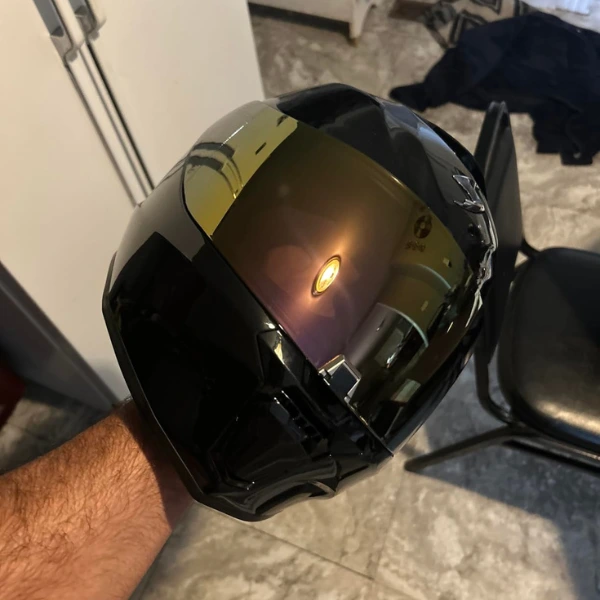
This is one of the most common buyer complaints after purchase. All EXO-R420 helmets ship with a clear face shield regardless of what the marketing photography shows. Scorpion and most retailers use a dark smoke shield in product images for visual appeal, but the dark shield is sold separately as an optional accessory priced between $25 and $40. If you ride primarily in daylight, add a tinted shield to your initial purchase to avoid the inconvenience of ordering it later.
Is the EverClear anti-fog coating enough for cold weather riding?
For most riders in temperatures above 40 degrees Fahrenheit, the EverClear coating is sufficient for the majority of cold-weather fogging scenarios. In temperatures below 40 degrees, or for riders who produce significant interior moisture, the coating alone may not fully prevent fogging when the shield is fully closed.
The most reliable cold-weather solution is upgrading to a Pinlock-compatible shield and inserting a Pinlock lens, which eliminates fogging almost entirely through an insulating air gap rather than a chemical coating. This requires purchasing an additional Scorpion Pinlock-compatible shield (not included) plus a Pinlock lens insert.
How does the Scorpion EXO-R420 compare to the older EXO-R410?
The EXO-R420 is a complete rethink of the R410 rather than a minor update. The exterior shell is significantly more angular and aerodynamic compared to the rounder R410 shape. The interior fit was also revised, with the R420 providing a more precise intermediate oval fit and the Ellip-Tec II shield mechanism replacing the older system. Riders who found the R410 comfortable will generally adapt easily, though the head shape calibration may feel slightly different during the first few rides.
Does the EXO-R420 work well with glasses?
For most standard slim-frame eyeglasses, yes. The cheek pads have cutouts near the temple area that allow standard eyeglass arms to slide through without significant pressure. Thick sport-style frames, sunglass arms with rubber grips, or wide curved arms can cause discomfort during rides exceeding 45 minutes. If you wear prescription glasses every day, try the helmet in person at a dealer before purchasing online.
How much does the Scorpion EXO-R420 weigh?
A medium-size EXO-R420 weighs approximately 3.75 lbs (1.7 kg). This places it in the heavier half of the budget full-face category. The extra weight comes from the polycarbonate shell density required to achieve Snell M2015 certification. Lighter helmets at this price point typically achieve lower weight by using less dense liner material or by not pursuing Snell certification.
What should I do if my EXO-R420 has a visor that whistles or buzzes?
First check that the visor is fully clicked into the closed position using firm pressure. A partial engagement of the Ellip-Tec II latch is the most common cause of wind whistle or buzz at speed. If the visor is properly latched and noise persists, inspect the rubber seal around the eye port for any debris, deformation, or tears. If the seal is compromised, contact Scorpion USA customer service directly. Multiple owners report that Scorpion provides replacement seals and visor components at no charge for warranty-covered defects.
Can I use a Bluetooth communicator with the Scorpion EXO-R420?
Yes. The interior includes dedicated speaker pockets and a routed microphone channel compatible with the Scorpion EXO-COM system and most major aftermarket communicators from Cardo and Sena. Note that some Sena models with larger speaker drivers may be tight in the 44 mm speaker pocket. Verify your specific communicator’s speaker diameter before purchasing if compatibility is critical.
How does Scorpion’s warranty and customer service work?
Scorpion offers a standard manufacturer warranty covering defects in materials and workmanship. The warranty does not cover crash damage, cosmetic drops, or normal wear. Owner community feedback consistently highlights Scorpion USA’s customer service as a genuine strength, with many riders reporting that replacement parts including visors, seals, and visor levers were sent at no charge for qualifying defects. Contacting Scorpion USA directly by phone is consistently more effective than going through retail channels for warranty claims.

Hi, I’m James Dean. My motorbike obsession started at age seven with a 50cc bike, and I’ve been riding ever since. From motocross in my teens to cruising and snowmobiling today, I’ve got over 15 years of experience. As a mechanical engineer and passionate rider, I founded gearschoice.com to share my insights and help you find the best motorcycle gear.